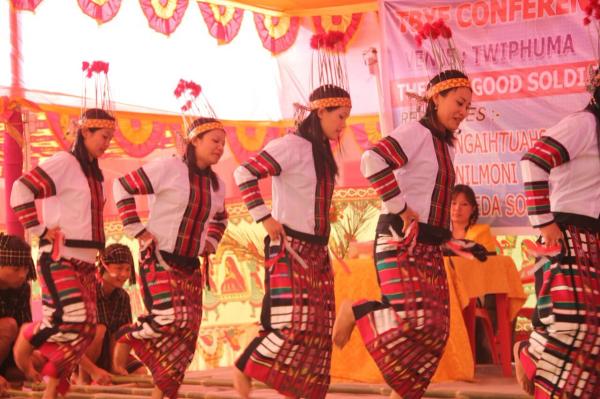
The Mizo origin story begins underground. In the beginning, the people lived inside the earth, in a cave called Chhinlung. One day, the stone that sealed the cave opened, and the people emerged into the world above. Some came out. The stone closed again before everyone could follow. Those who emerged became the Zo people. Those still inside are a permanent melancholy in the Mizo worldview — a reminder that exodus is always partial, that not everyone makes it through.
The location of Chhinlung has never been agreed upon. Scholars have proposed Yunnan province in China, the hills of Myanmar, and several sites in the Indo-Burma region. The Mizo themselves have identified candidate caves in different periods and different political contexts. The uncertainty does not diminish the story's authority. It is not a geographical claim. It is a statement about where the people come from — below the world, forced upward, arriving into history already carrying loss.
The Migrations
What the oral tradition and the fragmentary historical record agree on is that the Zo-Mizo people moved. They are part of a larger family of Tibeto-Burman peoples who migrated southward through the hills of Southeast Asia over many centuries. They arrived in the hills that are now Mizoram sometime between the seventeenth and eighteenth centuries, establishing the clan-based chieftainship system that governed Mizo society until the British arrived.
The Mautam and the Accord
In 1959, a famine struck — the mautam, which occurs when a particular bamboo species flowers simultaneously across vast areas, producing seeds that feed a rat population explosion, which then destroys crops when the bamboo food source is exhausted. The Mizo National Famine Front organised relief. When the Indian government's response was inadequate, the Front transformed into the Mizo National Front, and in 1966 declared independence. The insurgency lasted twenty years, ending with the Mizo Accord in 1986 — widely studied as one of the few successful negotiated conclusions to an armed independence movement in Indian history.
Thu Leh Hla
The Mizo word for history is Thu leh hla — stories and songs. History is not a discipline or an archive. It is a practice, performed in the singing of it. The migration from Chhinlung, the chieftainship period, the British arrival, the famine, the insurgency, the accord — all of these are carried in the Thu leh hla tradition, in songs passed between generations voice to voice, the content shifting as it travels but the practice holding.
An old woman in a village in the Lunglei hills knows songs that carry the memory of Chhinlung, of the great walk southward, of the mautam years when people ate what they could find and some did not survive it. She learned them from her mother, who learned them from hers. The songs do not require a formal occasion. They require a singer. And as long as there is a singer, the story does not end — it simply waits for the next voice.
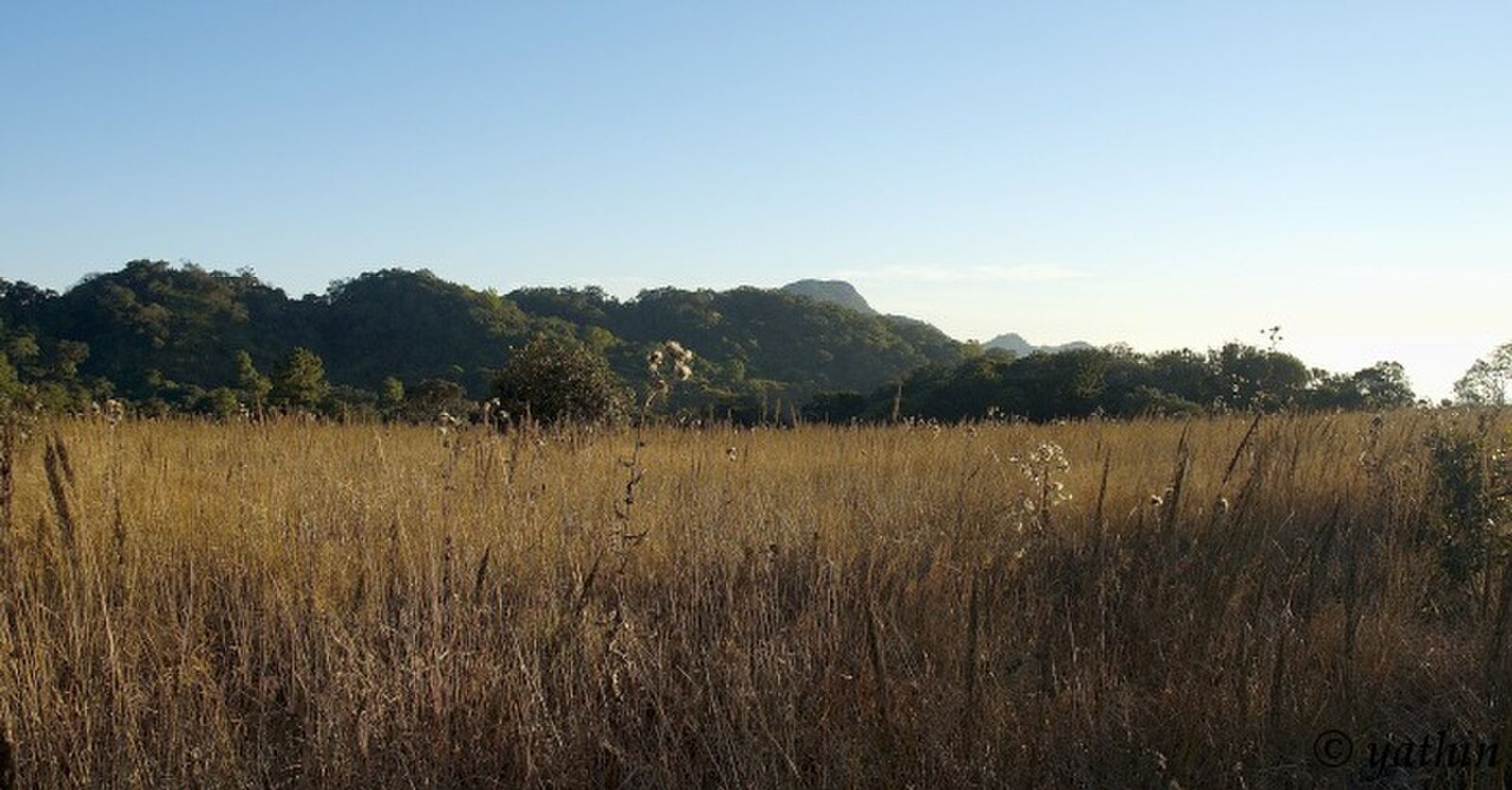
The Blue Mountain watches over all of this. Phawngpui, 2,157 metres, at the southern end of the state. The songs have been sung in its shadow for as long as the people have been here.